
Target Title: Importing Auto Spare Parts to Nigeria: Challenges, Alternatives, and Why China Remains the Mainstream Supplier
Meta Description: Explore the current challenges in Nigeria’s auto parts market, including FX volatility and clearing bottlenecks. Learn why some buyers choose Turkey or the US, and how Chinese suppliers are upgrading quality, compliance, and logistics to maintain market dominance.
Keywords: Nigeria auto spare parts import, China auto parts supply chain, Ladipo spare parts market Lagos, SONCAP certification, auto aftermarket Africa, salvage parts Nigeria
With Nigeria’s expanding vehicle population and a growing average fleet age, automotive spare parts have become one of the country’s most vital import categories. According to the National Automotive Design and Development Council (NADDC), Nigeria spends trillions of Naira annually on transport equipment and components to keep its economy moving.
However, in today’s volatile global trade environment, Nigerian auto parts importers are experiencing unprecedented supply chain disruptions.
1. Navigating the Storm: Core Challenges in Nigeria’s Auto Parts Import Market
Today, Nigerian buyers face three major pain points when sourcing automotive components from international markets:
- Severe FX Volatility and Liquidity Crisis: The dramatic fluctuation of the Naira (NGN) against the US Dollar (USD) has sent procurement costs soaring. Constant adjustments in customs duty valuation rates make it incredibly difficult for wholesalers to maintain stable profit margins.
- Clearing Bottlenecks and Compliance Strictness: The Nigeria Customs Service (NCS) has intensified enforcement of the automated VIN valuation system alongside rigorous inspections for the SONCAP (Standards Organisation of Nigeria Conformity Assessment Programme). Any minor discrepancy in certification can result in exorbitant demurrage charges and customs penalties.
- The Quality Trust Deficit: Major hubs like the famous Ladipo Spare Parts Market in Lagos have historically been flooded with low-grade, non-branded aftermarket parts. Given Nigeria’s challenging road conditions, extreme heat, and frequent overloading, these substandard parts fail prematurely, triggering a trust crisis among premium corporate buyers and mechanics.
2. Channel Diversification: Why Some Nigerian Firms Are Seeking Alternatives
To mitigate currency risks and quality issues, a segment of large-scale Nigerian auto parts distributors and fleet management companies has begun exploring alternative sourcing destinations. These shifts are driven by distinct strategic goals:
A. Turkey: The Rising Star for High-Quality OEM Alternatives
Turkey has rapidly gained market share in Africa’s auto aftermarket. Turkish manufacturers specialize in heavy-duty filters, braking systems, and clutch kits built to European standards but reinforced for African road conditions. Turkish suppliers offer relatively stable pricing models and shorter shipping transit times compared to the Far East.
B. The United States: The Unshakable Demand for “Tokunbo” (Salvage Parts)
For critical components like complete engines, transmissions, and complex electronics, Nigerian buyers heavily favor original, used components—locally known as Foreign Used or Tokunbo parts—sourced from the US. Importers argue that a genuine, used OEM part from America often outlasts a brand-new, low-end unbranded aftermarket part.
C. Localization: The Push for Homegrown Assembly
Government agencies like the NADDC are actively pushing for localized component manufacturing (e.g., batteries, exhaust systems, filters, and rubber parts). To conserve foreign exchange and comply with local content directives, some enterprises are adopting a hybrid model: sourcing core technical components globally while relying on local manufacturing for consumables.
3. Structural Comparison: Mapping Nigeria’s Auto Spare Parts Sourcing Channels
To provide a clear view of the market landscape, the table below compares the current major supply channels in the Nigerian automotive aftermarket:
| Sourcing Country / Region | Primary Product Categories | Core Competitive Advantage | Current Market Challenges | Market Positioning |
| China | Full vehicle range, EV components, new aftermarket & branded parts | Unmatched supply chain scale, complete catalog, superior cost-to-performance ratio | Historical quality variance; stricter compliance hurdles at customs | The absolute mainstream foundation & market leader |
| Turkey | Filters, brake components, heavy-duty suspension parts | European quality standards, reinforced for rough roads, stable pricing | Narrower product variety compared to China | Rapidly growing premium-mid tier alternative |
| United States | Luxury vehicle parts, powertrain assemblies, engines (Tokunbo) | Authentic OEM quality, high trust factor among local mechanics | Highly reliant on salvage vehicle availability; non-standardized | The go-to channel for critical core mechanical parts |
| Japan / South Korea | Genuine parts for Japanese/Korean brands (Toyota, Hyundai, etc.) | 100% precision fit, flawless quality and durability | Prohibitively expensive; highly vulnerable to local FX shortages | High-end niche, franchise workshops, and corporate fleets |
4. The Strategic Pivot: How Chinese Suppliers Are Evolving to Lock in Dominance
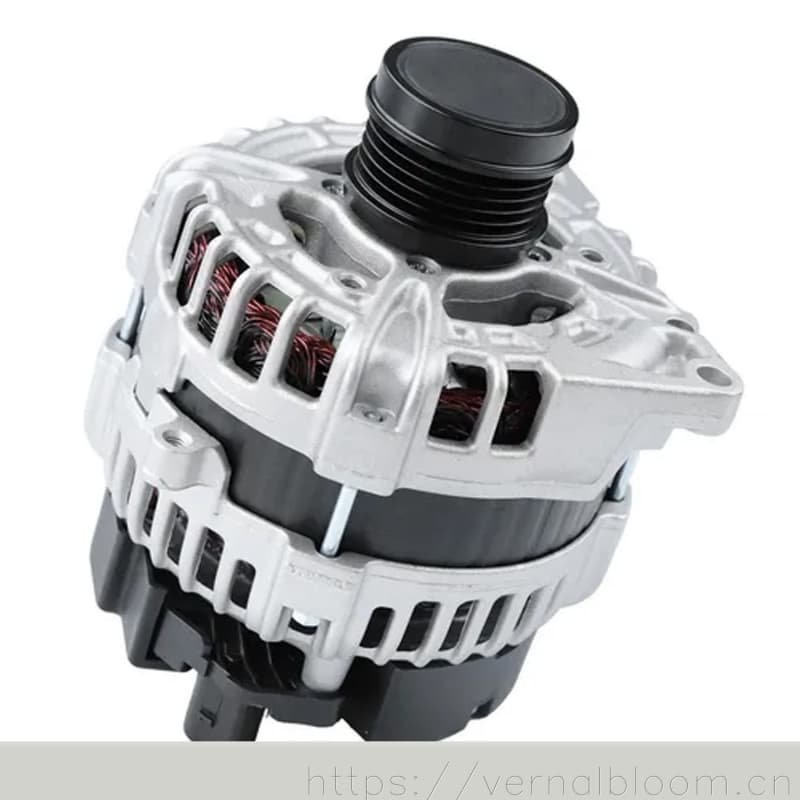
Despite channel diversification, China remains the absolute backbone of Nigeria’s automotive spare parts supply chain, commanding over 70% of the total market share. Rather than retreating in the face of market shifts, forward-thinking Chinese manufacturers are actively executing a series of strategic upgrades to adapt to Nigeria’s changing economic realities:
1. The Quality Evolution: Moving from “Cheap Copy” to “Premium Brand.”
Chinese auto parts manufacturers are aggressively abandoning the low-tier price wars. Suppliers are launching dedicated brands engineered specifically for the African terrain, featuring heavy-duty shock absorbers, high-temperature resistant brake pads, and reinforced rubber bushings. Furthermore, as Chinese commercial vehicles (like Sinotruk and Shacman) and passenger cars (GAC, Chery) flood the roads of Lagos and Abuja, Chinese suppliers are establishing authorized, standardized genuine parts networks across the country.
2. Logistical and Financial Innovation: Overseas Warehousing
To solve the dual pain points of long maritime lead times and the Naira liquidity crisis, major Chinese汽配 (auto parts) consortiums have established local overseas warehouses in Nigeria. By shifting to a model of “offshore USD/RMB settlement with local Naira spot-trading,” they insulate Nigerian wholesalers from sudden currency devaluations. Furthermore, providing local warranties and technical support teams has transformed the traditional transaction into a reliable, long-term partnership.
3. Compliance and Pre-Shipment Efficiency
Understanding that customs delays can ruin an importer’s margins, Chinese exporters are working hand-in-hand with international inspection agencies (like SGS, Intertek, and Cotecna). They ensure that 100% compliant SONCAP certifications and verified VIN documentation are issued directly from China prior to shipping. This eliminates the risk of customs disputes, cargo seizures, or unexpected demurrage at the ports of Apapa or Tin Can Island.
5. Conclusion
The Nigerian automotive aftermarket is undergoing a structural maturity phase—moving from chaotic, price-driven trading to streamlined, value-driven supply chains. While Turkey and the US salvage parts have carved out unique niches, the sheer scale, agility, and proactive upgrades of Chinese manufacturing ensure it remains irreplaceable. For Nigerian importers looking to thrive in today’s economy, partnering with Chinese suppliers who offer local warehousing, verified compliance, and premium, road-tested brands is the ultimate key to commercial success.