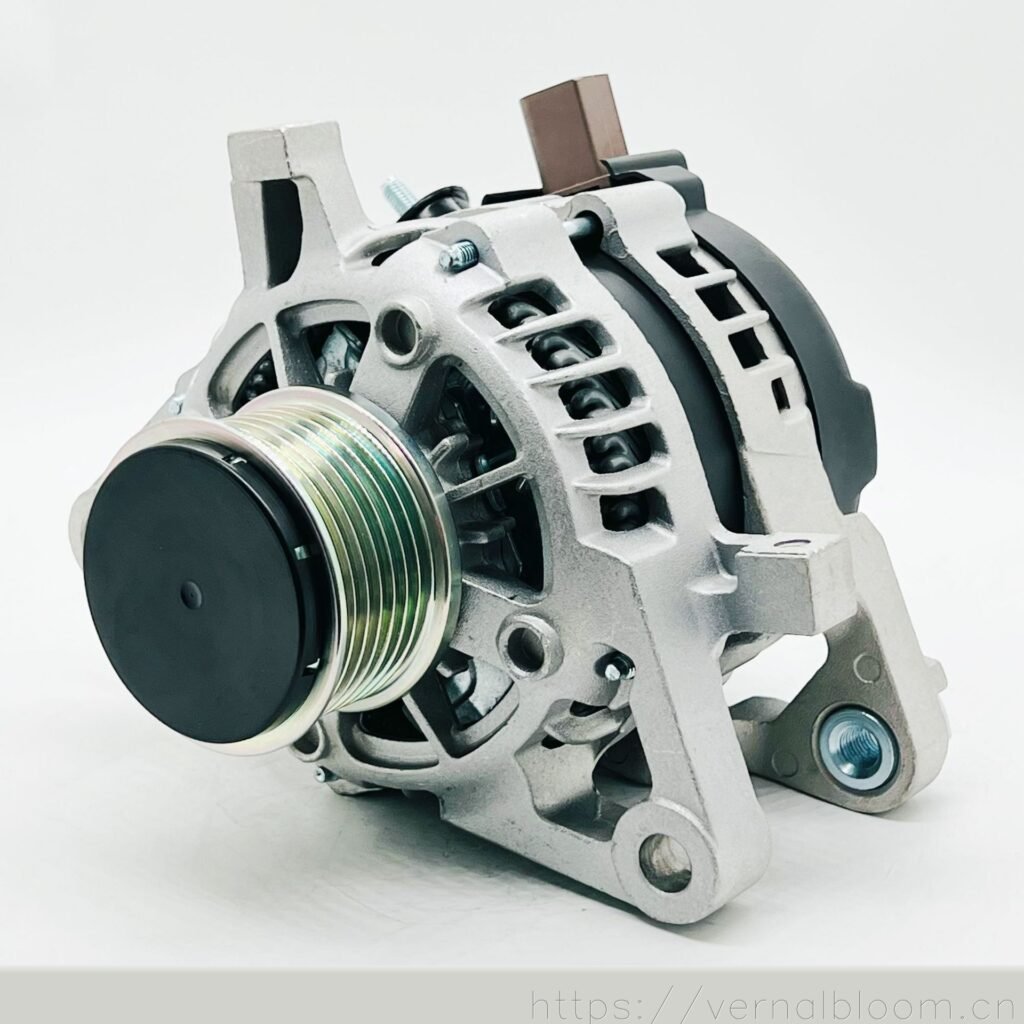
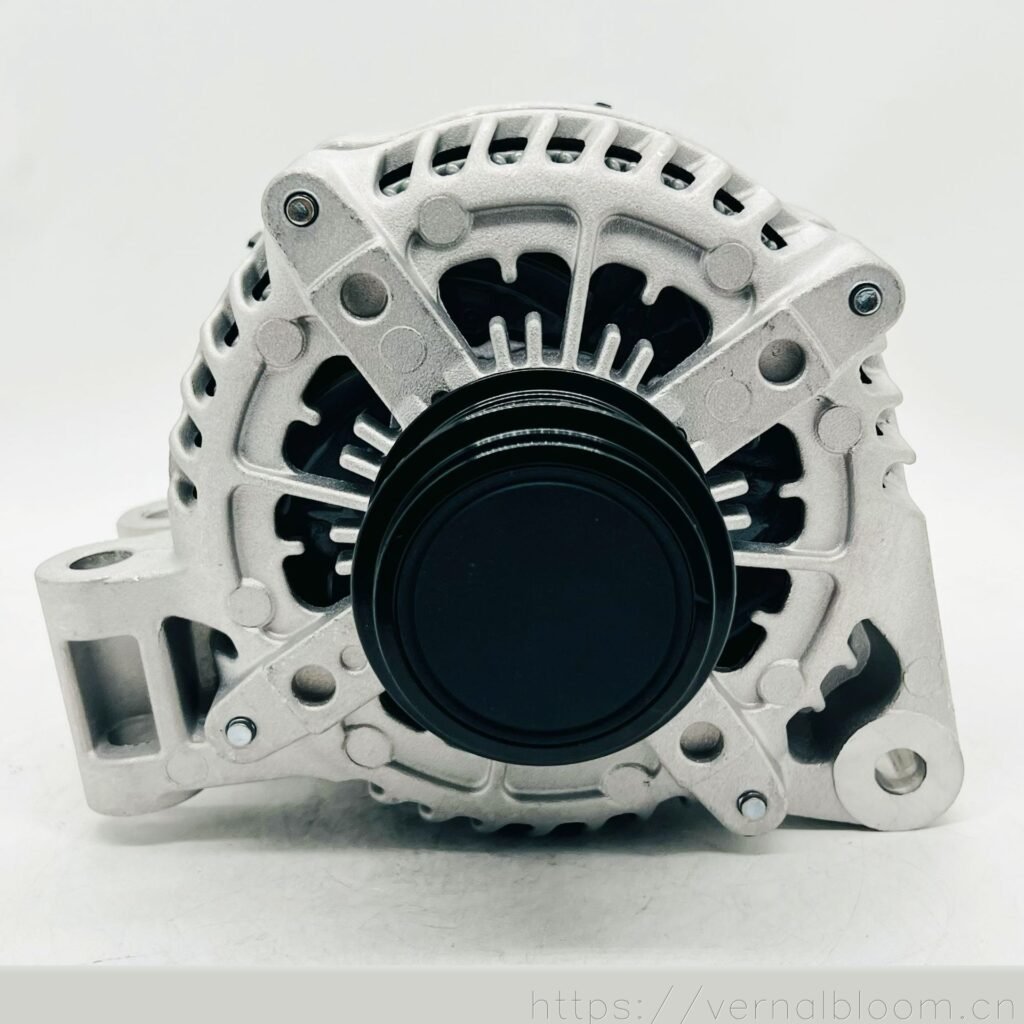
In the automotive industry, alternators play a key role. They generate electricity to power various components in a car. When these parts fail, it can lead to significant issues. Therefore, finding a reliable alternator supplier is crucial.
There are countless car alternator suppliers in the market. However, not all can be trusted to deliver quality products. A cheap alternator may not be of good quality, while high-quality products are often expensive. So,a well-established supplier usually guarantees better reliability and service.
Choosing the right car alternator supplier requires careful research. Keep in mind that even a top supplier can have flaws. It’s vital to remain vigilant and critically assess each option. Ultimately, the goal is to ensure your vehicle runs smoothly and lasts longer.
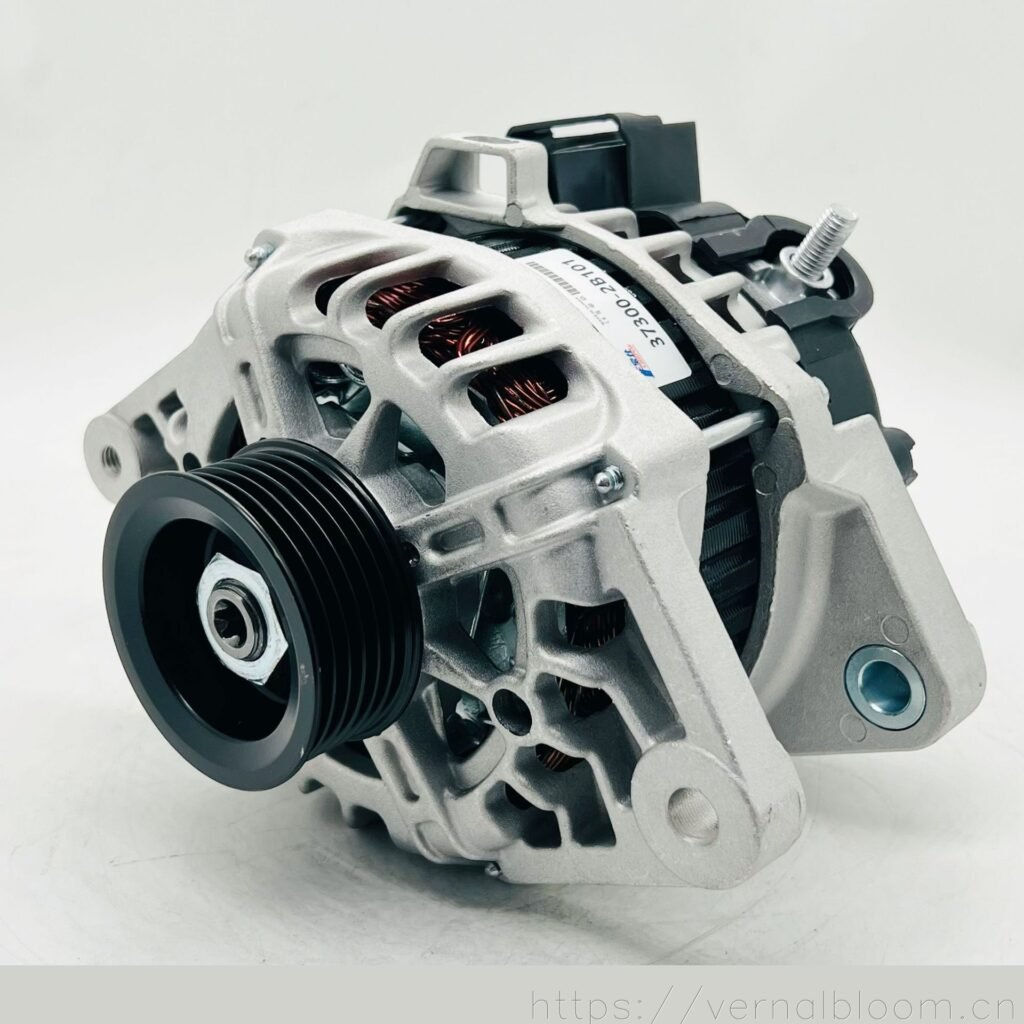
When buying alternators, consider application & fitment, amperage & electrical load, new vs. remanufactured, warranty & support, and total cost of ownership.
1. Application and Fitment
An alternator must be a precise physical match for the engine it serves. Even if two units look similar, slight variations can make installation impossible.
Mounting Points: Check the “ears” or mounting brackets. They must align perfectly with the engine block or mounting bracket to ensure the belt remains straight.
Pulley Type: Ensure the pulley matches your belt system (e.g., Serpentine vs. V-belt). Some modern alternators use an Overrunning Alternator Pulley (OAP) or Decoupler (OAD) to reduce vibration; swapping this for a solid pulley can damage the engine.
Plug Configuration: The electrical connector for the voltage regulator and the position of the B+ (battery output) terminal must match your vehicle’s wiring harness.
2. Amperage and Electrical Load
The amperage rating tells you how much current the alternator can produce. You must meet—or slightly exceed—the vehicle’s original requirements.
Standard vs. High-Output: If a vehicle has undergone “up-fitting” (e.g., adding high-intensity lights, a powerful winch, or a high-end audio system), a standard alternator may fail prematurely due to constant overheating.
Idle Output: An alternator’s rated amperage is usually measured at cruising speeds. However, critical charging often happens at idle. Ensure the unit provides enough “low-end” power to keep the battery charged during traffic or long idling periods.
3. New vs. Remanufactured
This is often a choice between upfront cost and long-term peace of mind.
New: These units are built from scratch with all-new components (bearings, brushes, copper windings, and diodes). They generally offer the highest reliability but come at a premium price.
Remanufactured: A used core is stripped down, cleaned, and the failed components are replaced.
Pro-Tip: Look for “Remanufactured,” not just “Rebuilt.” Remanufacturing typically involves more rigorous testing and the replacement of all wear items (bearings/brushes), whereas “rebuilt” might only involve fixing what was specifically broken.
4. Warranty and Support
Since alternators are labour-intensive to replace in many modern vehicles, the warranty is your primary hedge against a “lemon.”
Duration: Look for at least a 12-month warranty; many premium brands now offer limited lifetime warranties.
Labour Claims: Check if the warranty covers the cost of labour if the part fails. Most retail warranties only replace the part itself, meaning you (or your customer) are on the hook for the re-installation costs.
Technical Support: For specialised or heavy-duty applications, access to a manufacturer’s tech line can be invaluable for troubleshooting charging system issues that might not be the alternator’s fault (like a bad ground or PCM issue).
5. Total Cost of Ownership (TCO)
The cheapest alternator on the shelf often ends up being the most expensive over time.
Efficiency: High-quality alternators are more efficient at converting mechanical energy to electrical energy. A low-efficiency unit creates more heat and puts more drag on the engine, slightly increasing fuel consumption.
Failure Frequency: If a cheap unit fails every two years, the combined cost of the replacement parts and the downtime/labour far exceeds the one-time cost of a premium, OE-grade (Original Equipment) unit.
Core Charges: Factor in the “core charge”—the deposit you pay, which is refunded when you return the old unit. This is a standard part of the transaction for remanufactured goods.
Comparison Table: Quick Reference
| Factor | Budget Option | Premium Option |
| Components | Often reused internal parts | 100% New or high-spec Reman |
| Testing | Batch tested | Individually load-tested |
| Reliability | Variable | High |
| Upfront Cost | Low | Moderate to High |
| Best For | Older vehicles/quick flips | Working vehicles/long-term ownership |